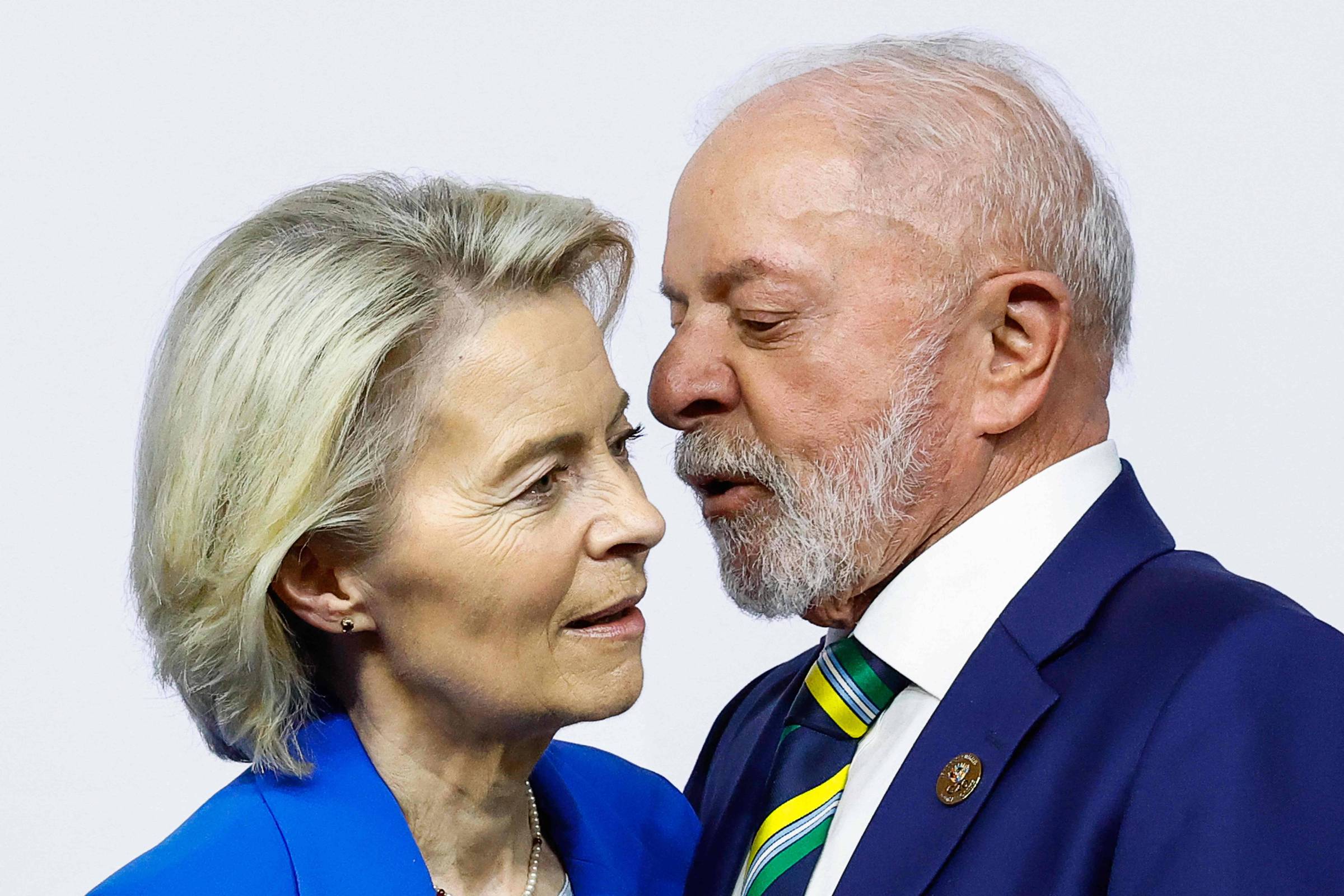
On January 9, 2026, the Council of the European Union (EU) approved the long-awaited trade agreement with Mercosur, ending a long, complex and politically contentious process. The decision contrasts with the scenario just a month earlier, when the president of the European Commission, Ursula von der Leyen, was forced to cancel her trip to Brazil to sign the instrument, as she did not obtain the necessary approval from the Council. Now, the signing will take place in Paraguay, on January 17th. How did you get here and what are the next steps? The core of the so-called Interim Trade Agreement (ITA), the commercial pillar of the agreement, dates back to the "agreement in principle" announced in June 2019 by the leaders of both blocs. This announcement quickly triggered the formation of a powerful opposition coalition in Europe, which ended up paralyzing the approval and ratification process. This coalition was made up of two large groups: a traditional one, made up of European agricultural producers, and a more recent one, made up of civil society organizations focused on protecting the environment. Columns Receive a selection of Folha columns in your email In the following years, the international context changed significantly. Rising global geopolitical tensions, the war in Ukraine and the intensification of rivalry between the United States and China have led the European Commission to reassess its strategic priorities. In this new scenario, the agreement with Mercosur came to be seen as a relevant instrument for economic diversification and strengthening alliances. To make it viable, however, it was necessary to disable the opposition coalition that had the capacity to block it in both the Council and the European Parliament. The strategy adopted was to weaken the environmental component of the opposition. As of 2023, the Commission began renegotiating with Mercosur —especially with Brazil— with the aim of expanding and making the environmental commitments included in the agreement legally binding. In return, the EU agreed to waive part of the market access gains obtained in the 2019 text. This balance resulted in the announcement of a new agreement in December 2024. While environmental resistance diminished significantly, agricultural opposition remained active. Countries with a strong presence in the rural sector, such as France, Poland and Ireland, spoke out against the agreement and sought to form a blocking minority in the Council. In this process, they found an unexpected ally: Giorgia Meloni's Italy, which historically supported the agreement, but began to adopt an ambiguous position. In December 2025, Italian abstention prevented the approval of the text. Subsequently, Italy's position turned out to be transactional. The Commission negotiated compensation, including the advance of subsidies under the Common Agricultural Policy and the creation of an automatic safeguard mechanism for sensitive agricultural products. Despite votes against by France, Poland, Ireland, Austria and Hungary, the agreement was finally approved by a qualified majority. With this stage overcome, the focus now turns to ratification. In the European Parliament, although the main political groups support the agreement, national divisions could make the vote close. Attempts at judicialization at the EU Court of Justice could also delay the process. In Mercosur countries, in turn, ratification tends to be less conflictive, reinforcing the perception that the main focus of uncertainty continues to be the European Union Machine translation reviewed by Isabel Lima LINK PRESENT: Did you like this text? Subscribers can access seven free accesses from any link per day. Just click the blue F below.