
The DNI has changed over time. Not only in format, but also in function. From a purely identification document in Spain, it now incorporates technology that allows proof of identity in digital and carry out procedures without the need for physical presence.
File image of DNI renewal
In fact, this is nothing new, since this process accelerated with the arrival of Electronic Identification in 2009which opened the doors to digital signature and online identification. However, its development was progressive and, in many cases, limited by systems that have fallen behind in the face of new security requirements.
Now there is a new advance. THE National Police announced the implementation of a new infrastructure DNI Public Key (PKI)a technical change that marks the beginning of the path to the future DAYS 4.0. This is an update to the system that protects citizens’ digital identities.
Also read
The new DNI abandons encryption 2048-bit RSA and starts using a system of 384-bit elliptic curve, more modern and robust technology. In practice, this multiplies the cryptographic capacity of the document and strengthens your fraud protectionidentity theft and increasingly sophisticated computer attacks.
From the Spanish police, they clarify that for now this advance will not mean no direct change for citizens nor immediate obligation renew or change your identity document. The current DNI is still valid, the change applies to infrastructure which will allow the development of new features in the future.

View of the National Police station in L’Hospitalet de Llobregat (Barcelona)
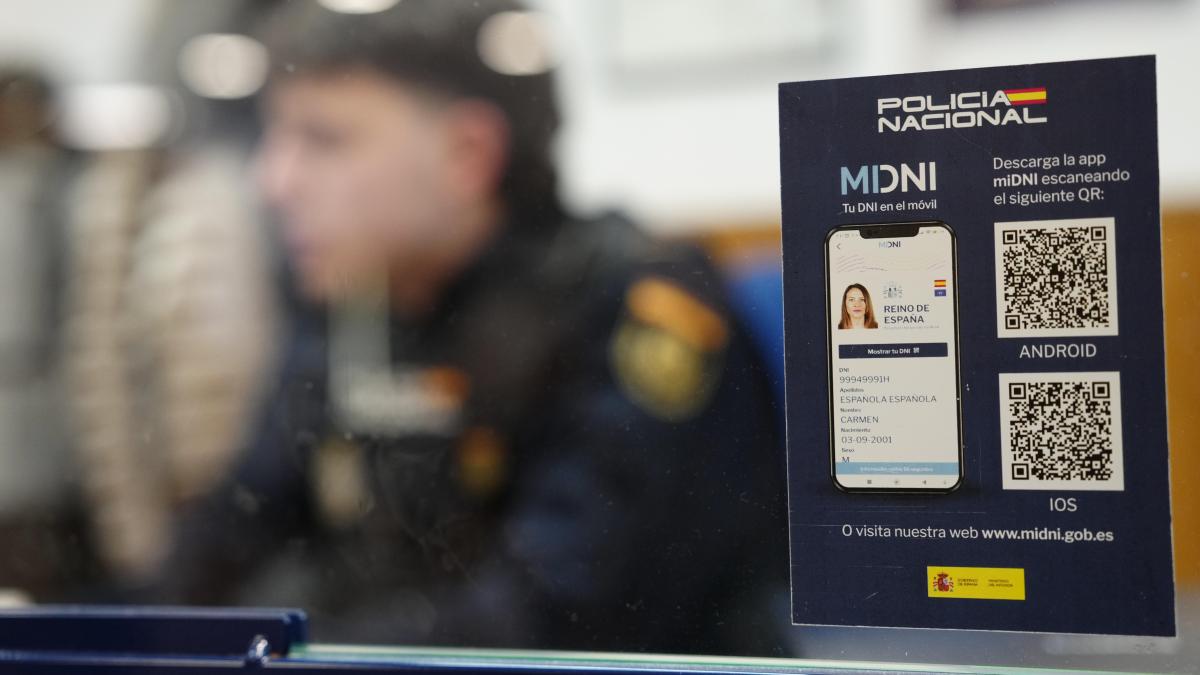
This advancement also opens the door to simpler and safer use of the DNI in the digital environmentincluding its future integration into mobile applications and new online services. For this leap to be possible, It was essential to modernize the security system that supports all digital identity.
With this update, Spain reinforces its commitment to a more secure and future-proof digital identity. A change that is not very visible at the moment, but which will end up having a direct impact on the way citizens identify themselves and carry out procedures in the coming years.